
Projects

Unlocking potential through neuroarchitecture. We combine scientific research with innovative design to create spaces that enhance well-being, productivity, and human connection. Discover how our evidence-based approach can transform your environment and drive effective results.

A hallway that guides and welcomes

Inclusive Wayfinding: A Spatial System That Reduces Anxiety and Improves Orientation

Neuro-architectural and Emotional Approach: Our client, who has partial vision loss, needed her home's entrance – a narrow, dimly lit hallway – to be a safe and easily navigable space. What should have been a welcome home had become a confusing experience, fraught with tension and a feeling of vulnerability. 

Based on understanding your perceptual and emotional needs, we develop an evidence-based neuroscientific proposal to transform this daily journey into an intuitive, warm, and accessible experience. 

The solution incorporated tactile elements, acoustic improvements, low-vision adapted lighting, differentiated floor and handrail textures, and assistive technology that facilitates navigation within the home. These features work together to offer clear guidance, reduce cognitive load, and increase safety without compromising the aesthetics of the space. Today, the hallway guides. And more importantly: welcome.

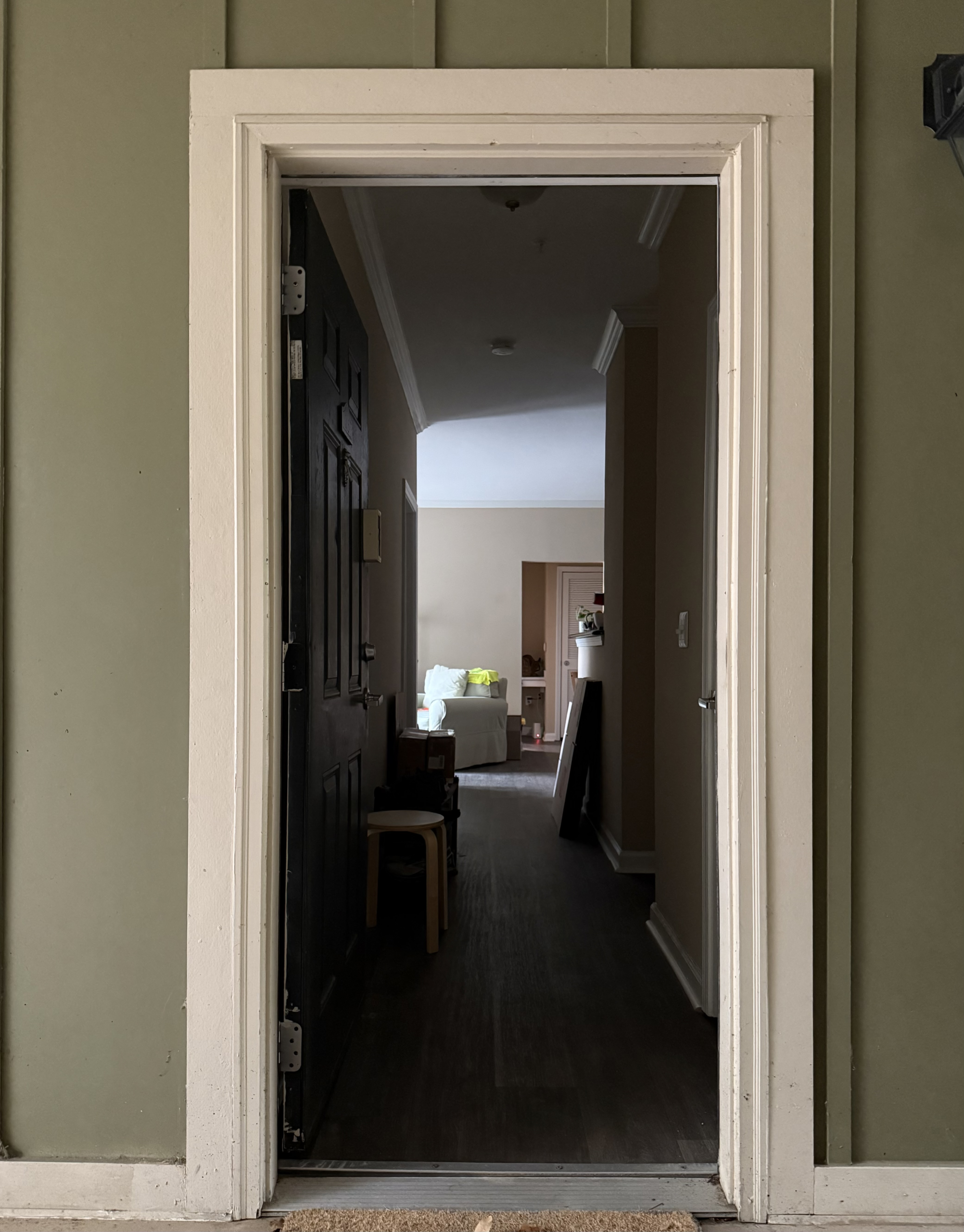
Initial state: Circulation space with poor lighting, no color contrasts, and no depth cues.  

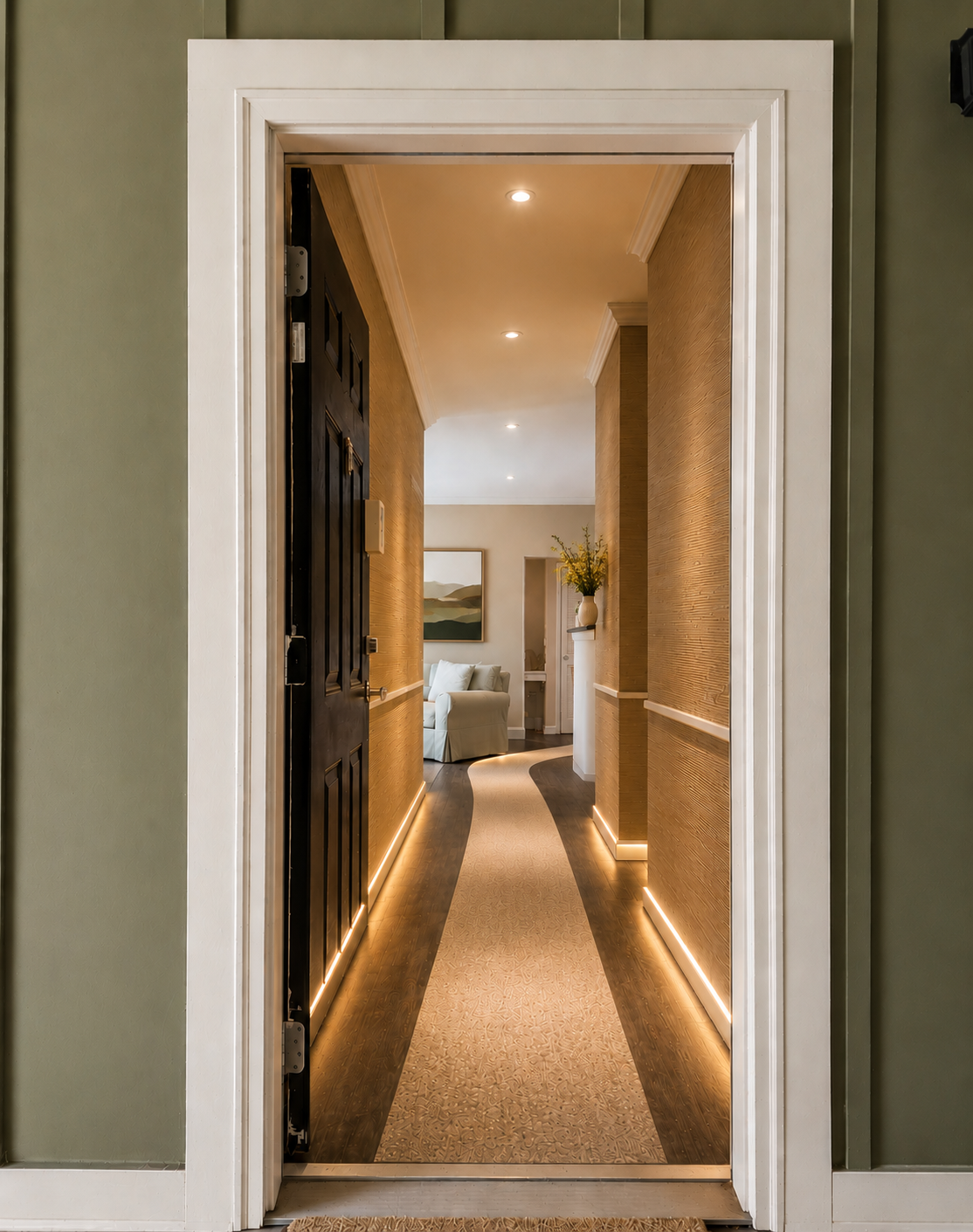
Intervened Space Use of linear lighting, lightingWarm lighting on the ceiling, use of color contrast, textures, and guides on the walls and floor indicating the path. 
A hallway that guides and welcomes

Inclusive Wayfinding: A Spatial System That Reduces Anxiety and Improves Orientation

Neuro-architectural and Emotional Approach: Our client, who has partial vision loss, needed her home's entrance – a narrow, dimly lit hallway – to be a safe and easily navigable space. What should have been a welcome home had become a confusing experience, fraught with tension and a feeling of vulnerability. 

Based on understanding your perceptual and emotional needs, we develop an evidence-based neuroscientific proposal to transform this daily journey into an intuitive, warm, and accessible experience. 

The solution incorporated tactile elements, acoustic improvements, low-vision adapted lighting, differentiated floor and handrail textures, and assistive technology that facilitates navigation within the home. These features work together to offer clear guidance, reduce cognitive load, and increase safety without compromising the aesthetics of the space. Today, the hallway guides. And more importantly: welcome.

Initial state: Circulation space with poor lighting, no color contrasts, and no depth cues.  

Intervened Space Use of linear lighting, lightingWarm lighting on the ceiling, use of color contrast, textures, and guides on the walls and floor indicating the path. 
Bedroom

Bedrooms designed to be a serene retreat, balancing relaxation with elegance.

Bathroom

Bathrooms that feel spa-like, combining modern convenience with luxurious design touches.

Kitchen

Kitchens that blend practicality and sophistication, making every meal a joy to prepare and enjoy.

Office

Workspaces that inspire productivity, focus, and creativity, tailored to your professional needs.